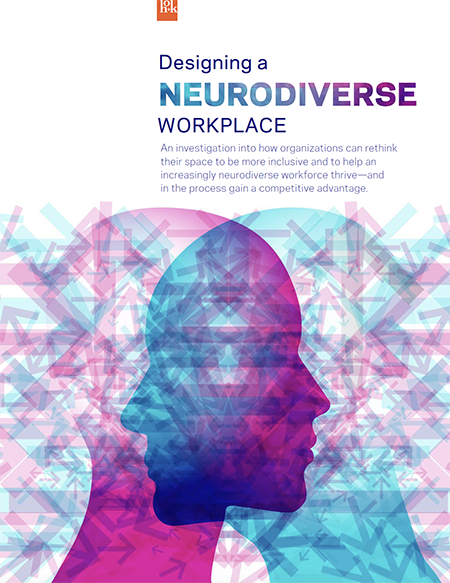
If you’re not already woke to the term neurodiversity, welcome to the newest segment in the broader diversity movement that is happening across the country. HOK recently published a thought leadership report titled “Designing a Neurodiverse Workplace”, and the report provides a fascinating deep dive into an important theme impacting workplace environments everywhere.
In addition to studying up on the report, we spoke to Christine Vandover, principal and senior project interior designer, who co-authored the report, to learn more about the topic.
What is neurodiversity? The report defines it clearly:
“’Neurodiversity’ refers to the natural range of variation in human neurocognition. It’s an umbrella term for people who aren’t neurotypical, and includes such conditions as autism spectrum disorder (ASD), attention deficit hyperactivity disorder (ADHD), dyslexia, dyspraxia (a neurologically based physical disorder) and Tourette syndrome, among others. Approximately 15-20 percent of people are ‘neurodivergent.’”
“Neurodiversity also includes neurological challenges resulting from brain injury or other environmental causes. Even among those considered neurotypical, one in four will experience a mental health challenge, such as depression or stress, at some point in life. Because of widespread under-diagnosis, more than half of those on what are considered neurodiverse areas of the continuum don’t even know it.”
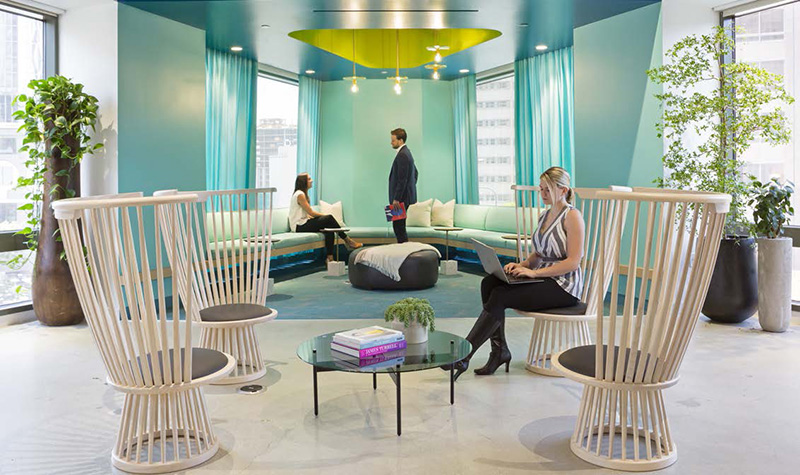
More companies are beginning to embrace neurodiversity in their workforce, to the benefit of all parties involved:
“Instead of seeing natural variations in the brain as pathologies, the new neurodiversity paradigm welcomes and facilitates the diverse talents of those of us who think differently. Neurodiverse thinkers often possess exceptional talents when it comes to innovation, creative storytelling, empathy, design thinking, pattern recognition, coding and problem solving.”
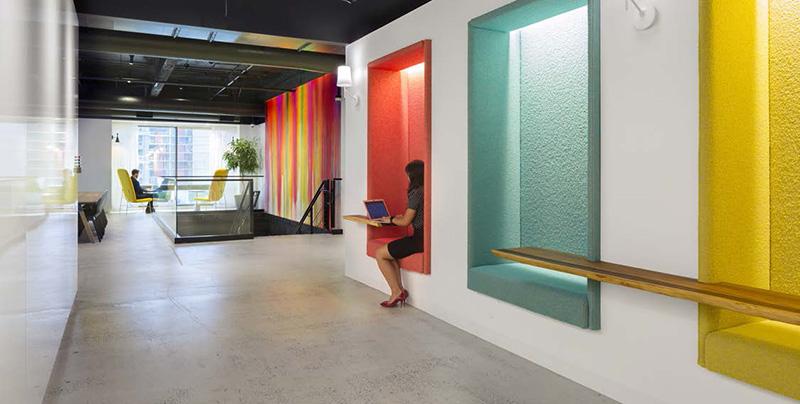
“Journalist Harvey Blume, who along with autism advocate Judy Singer first used the term ‘neurodiverse’ in the late 1990s, pointed out that neurotypical was simply one kind of brain wiring that could even be inferior when it comes to working with technology. ‘Neurodiversity may be every bit as crucial for the human race as biodiversity is for life in general,’ writes Blume. ‘Who can say what form of wiring will prove best at any given moment? Cybernetics and computer culture, for example, may favor a somewhat autistic cast of mind.’”
“JPMorgan Chase reports that after three to six months of working in its Mortgage Banking Technology group, autistic employees were doing the work of people who typically required three years to train – and were 50 percent more productive. At SAP, neurodiverse team members helped develop an innovation that led to a technical solution worth an estimated $40 million in savings.”
Said Ms. Vandover, “A lot of companies are really starting to be proactive about this. It’s another layer on top of the diversity movement happening, similar to the Me Too, women in the workplace movement. A lot of tech and coding companies are open to working in new ways and new types of spaces. Media and other creative companies are also a leading sector – they really want to harness their talent. They often have a younger C-suite and a younger workforce that is open to trying new things. These industries also have a lot of individual focus work, and so they want to offer their staff the right things.”
The neurodiverse among us face certain obstacles and challenges:
“The challenge is that neurodiverse workers may not always be able to thrive within existing workplace norms and practices. Along with their upside talents, people with certain kinds of neurodivergence may be challenged to concentrate, manage distractions, regulate emotions, recall information, process details quickly or communicate effectively. Despite the sought-after advantages and specialist skill sets that neurodiverse thinkers bring, they frequently face obstacles in getting and staying hired.”
“Actions that forward-thinking employers are taking to make it easier for neurodiverse staff to contribute include modifying the interview process, matching neurodiverse employees with in-house mentors and conducting awareness training for existing staff. On-the-job accommodations can be as simple as permitting the use of noise cancelling headphones, reducing lighting or screen brightness, providing access to supportive software, and allowing breaks for activity or a change of scene. Employers surveyed by the U.S. Job Accommodation Network (JAN) reported that more than half of the adjustments cost nothing to implement and the rest came at a typical cost of $500.”
“The premise of inclusive design is that instead of trying to choose or change people to fit their environment, an organization can get the right people for its needs – and simultaneously help them live more fulfilling lives – by changing the environment to welcome all those people who offer unique talents.”
HOK notes that the most common workplace challenges center on the issue of sensitivity:
“Neurodiverse thinkers often can be over- or under-stimulated by factors in their environment such as lighting, sound, texture, smells, temperature, air quality or overall sense of security. Any comprehensive approach to designing for neurodiversity should carefully consider these experiential aspects of the work environment.”
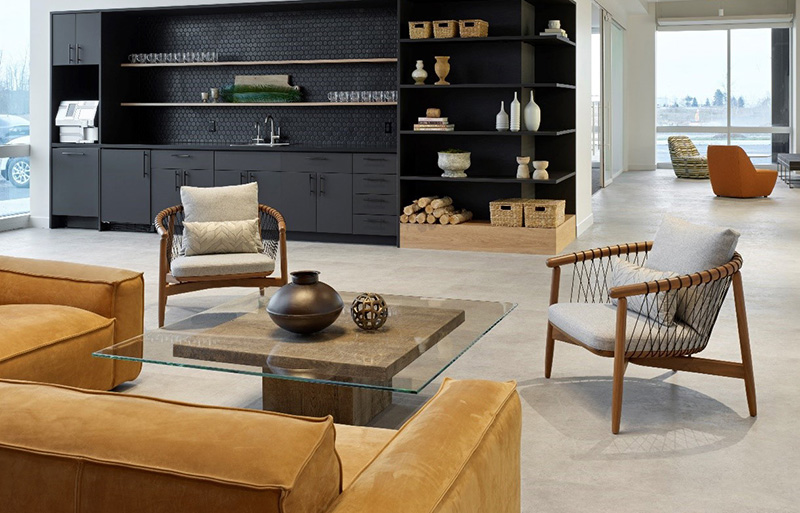
That said, different neurological conditions manifest in different ways, and even people who share the same condition may experience it to varying degrees and express it in different forms. ‘If you’ve met one person with autism, you’ve met one person with autism,’ Dr. Stephen Shore, an advocate for people with that condition, has said, and his statement applies to other conditions just as well. That is why one of the most effective ways to design for diversity is to provide choices.”
“Choice enables people – neurodivergent and neurotypical alike – to more effectively manage their own needs with dignity and autonomy. Versatile environments that provide for a range of preferences make differences less apparent, fostering equality and integration. These environments also allow for individual and operational changes, helping to make an organization more adaptable.”
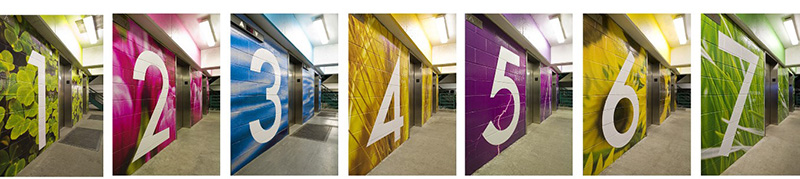
Inclusive design can begin simply. Ms. Vandover notes that it’s important to pause and consider, “What would make anyone function better?”
“When we ask this question, we begin to think about a sense of order. The planning at the beginning is the most critical part of the design process, because that’s when you’re really thinking about how to lay these spaces out.”
“Recently we’ve seen a small move toward clients providing ‘tech-free’ zones to their staff in the workplace. I don’t think a lot of people are doing that yet, but a really minimal, clean space like that helps to remove immediate stressors.”
“We explored the idea of focus rooms can become a tranquility room, using a preset system that can toggle from one to the other. If a person can identify that they need to focus or relax at a certain time, it’s important that they have a room like that available.”
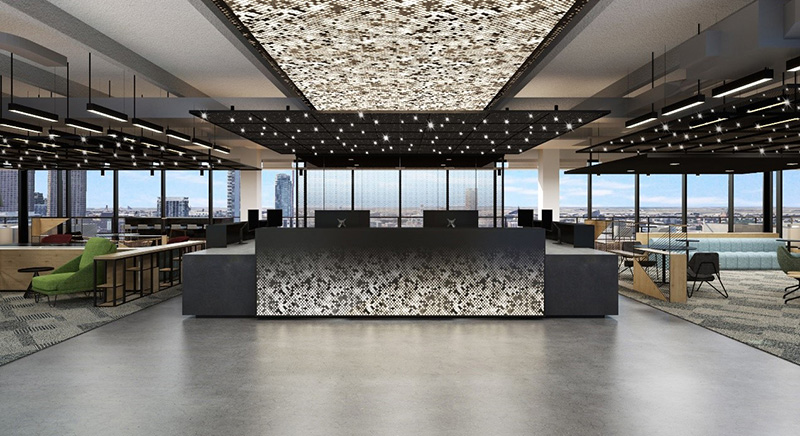
“We also developed the idea of having group work rooms become ‘art rooms’. My Pilates instructor was telling me about her work with adults with autism. She leads them through movement similar to Pilates, but she also has them do things like origami and other forms of art as a way to re-center – things that move the mind to focus on something different, to disengage from something the brain is worried about.”
In its report, HOK notes that the most impactful solution to sensitivity is providing choice, and the report outlines five types of choice that are the most important to consider when designing a neuro-inclusive workplace: spatial character, acoustic quality, thermal comfort, light, and degree of stimulation. The report also includes intriguing interviews with experts in neurodiversity, and we encourage our readers to head to HOK’s website to read through the full report at leisure.
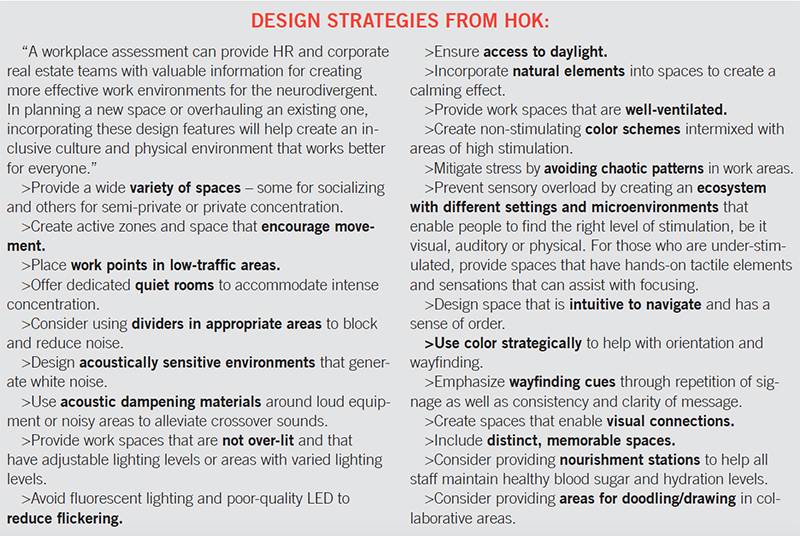
In addition to a set of Design Strategies for creating neurodiverse workplaces (printed here), HOK details equally important “Operational Changes” that organizations can make to help facilitate a more neuro-inclusive work environment – such as encourage intermittent breaks between focus periods, promoting a clean desk policy, and providing assistive software and technology such as speech-to-text software, time management programs and organizational tools.
And on a granular, more personal level, the HOK report also identifies “Individual Adjustments” to work styles and habits that organizations can educate and encourage their people to make – such as setting an alarm to focus for defined periods of time followed by a break and choosing a low-traffic area if working in an open space.
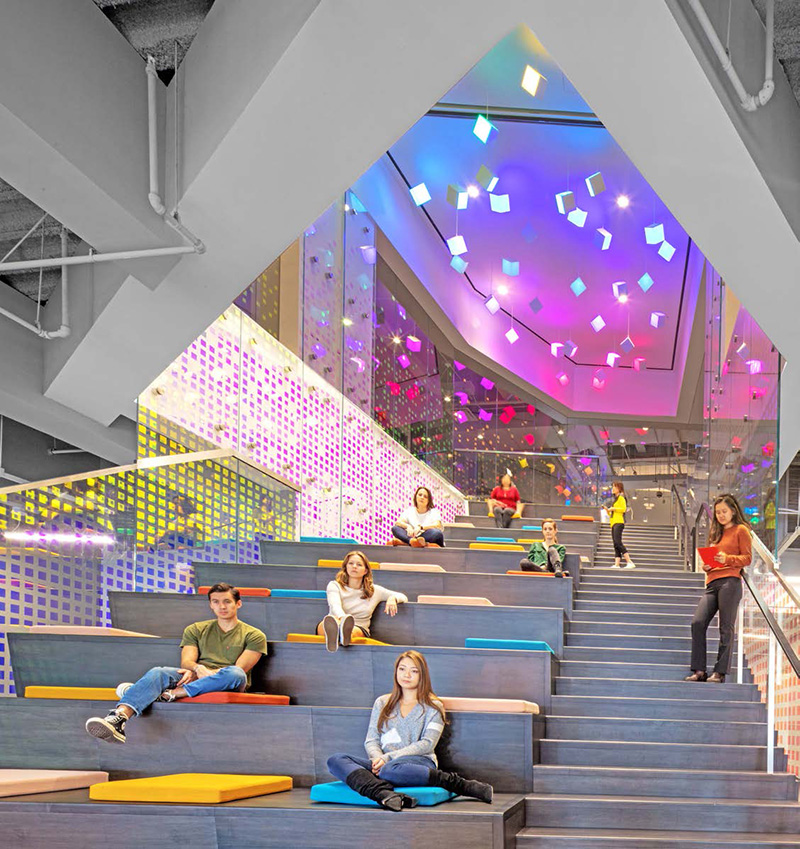
This new “neurodiverse lens” through which we’re beginning to view our workplaces can help us design more effective spaces for both the neurodiverse and neurotypical.
“It’s really about wellness for everybody, not just the neurodiverse – people struggling with anxiety, depression. And our needs change from day-to-day.,” said Ms. Vandover. “Life is stressful, and we change. If we stayed the same, it would be boring. When we talk about the stressors that contribute to our day, we see that everyone has them, and everyone has a unique combination of stressors.”
“Neurodivergence brings a lot of creativity to your team. And often these differences between people’s needs in the workplace is simply the result of different personalities – not necessarily neurotypical or neurodiverse, but rather differences in personalities and preferences. This more mindful approach and inclusivity in design can impact every person in the workplace.”